Humidity control solutions are critical for maintaining optimum indoor environments, preserving building integrity, and enhancing occupant comfort. Excess moisture or dryness can result in structural damage, mold progress, decreased indoor air quality, and elevated maintenance prices. Understanding the total spectrum of humidity management methods allows householders, builders, and facility managers to make informed decisions that shield investments, enhance well being, and optimize power efficiency. This comprehensive information explores every vital side of humidity management solutions, from the science behind moisture dynamics to advanced mechanical techniques and integrated design strategies that adjust to rigorous building codes and standards.
Fundamentals of Humidity and Its Impact on Buildings and Occupants
A foundational understanding of humidity is important before exploring management strategies. Humidity refers to the concentration of water vapor within the air and is usually expressed as relative humidity (RH), which is the proportion of moisture within the air relative to the utmost quantity the air can hold at a given temperature. RH ranges directly influence comfort, health, and building materials.
Effects of High Humidity on Building Materials and Health
High humidity creates a breeding ground for fungi, mildew, and dirt mites, aggravating respiratory issues and allergies. From a development perspective, extreme moisture results in wood rot, corrosion of metal fasteners, swelling of drywall, and deterioration of insulation. When RH constantly exceeds about 60%, these issues escalate, resulting in elevated restore prices and decreased property value.
Risks of Low Humidity and Associated Challenges
Low indoor humidity, particularly under 30%, causes dry skin, irritation of the respiratory tract, and discomfort for occupants. From a constructing standpoint, overly dry air could cause wood flooring and furnishings to shrink or crack. It also increases static electrical energy and reduces the effectiveness of airborne viral particle dilution, impacting general health and luxury.

Optimal Indoor Humidity Ranges for Health and Preservation
Building guidelines and architectural standards, corresponding to these from ASHRAE (American Society of Heating, Refrigerating and Air-Conditioning Engineers), recommend maintaining indoor RH between 40-60%. This steadiness minimizes development of pathogens and material degradation, whereas maximizing occupant comfort and system efficiency. This best range must be the design target for all humidity management options.
With this basic knowledge, the next focus areas involve technological and passive options tailored to manage moisture ranges to satisfy and preserve these optimal situations effectively.
Passive Humidity Control Strategies in Building Design
Before mechanical interventions, passive humidity management strategies provide foundational moisture regulation by architectural design. These methods cut back dependency on active gear, lower vitality costs, and contribute to sustainable constructing operations.
Building Envelope Design and Vapor Barriers
The building envelope acts as the principle barrier controlling environmental moisture ingress. Properly designed walls, roofs, and flooring must balance air tightness with vapor permeability to forestall condensation inside assemblies. Use of vapor retarders or vapor limitations in walls and ceilings limits diffusion of water vapor from humid interiors to chilly exterior surfaces, essential in chilly reforma durabilidade climates to stop mildew and structural harm.
Material Selection and Breathability
Choosing supplies with acceptable hygroscopic properties is important. Gypsum board with vapor-permeable paints, pure fibers, lime-based plasters, and managed permeable membranes allow for moisture buffering, which stabilizes indoor humidity fluctuations passively. Conversely, impermeable materials might entice moisture, fostering harmful situations.
Ventilation Design and Facilitation of Air Exchange
Continuous natural air flow encourages dilution of indoor moisture by exchanging humid indoor air with drier exterior air. Architectural options like operable windows, vents, and air paths improve air motion with out mechanical intervention, essential in temperate and dry climates. Location-specific integration of these elements optimizes air high quality and humidity management whereas lowering reliance on energy-consuming techniques.
Insulation Strategies to Control Thermal Bridges and Condensation
Thermal bridges create localized cold spots the place moisture can condense. Comprehensive insulation reduces these dangers by sustaining consistent surface temperatures inside assemblies. Strategies corresponding to exterior foam insulation or insulated sheathing help preserve wall cavity temperatures above dew points, decreasing condensation probability and preserving envelope integrity.
Transitioning from passive design, understanding the function of mechanical systems provides extra exact and controllable humidity administration in trendy buildings, especially in high-rise, commercial, or tightly sealed residential properties.
Active Mechanical Humidity Control Solutions
Mechanical systems provide focused management over indoor humidity, permitting adjustment to dynamic environmental situations and occupant utilization patterns. They provide exact regulation, instant responses to moisture fluctuations, and integration with HVAC systems for holistic indoor environmental quality administration.
Dehumidification Systems
These methods physically take away moisture from the air, decreasing RH to beneficial ranges. Common varieties embody:
- Refrigerant-based dehumidifiers: These operate similarly to air conditioners by cooling air under its dew level, condensing water vapor, and reheating the air earlier than launch. Ideal for reasonable to excessive humidity situations, they are energy-efficient when built-in with HVAC systems. Desiccant dehumidifiers: Use hygroscopic supplies to absorb moisture, suitable for environments where low temperatures make refrigerant methods less efficient. Used typically in industrial or specialized residential applications. Whole-building dehumidification: Integrated with central HVAC, these systems control humidity uniformly across multiple zones utilizing advanced sensors and controls.
Benefits embrace mold prevention, improved air high quality, and protection of delicate materials. Proper sizing and maintenance are essential to optimize vitality use and efficiency.
Humidification Systems
When indoor air is simply too dry, humidifiers add moisture to hold up consolation and defend building contents. Types embody:
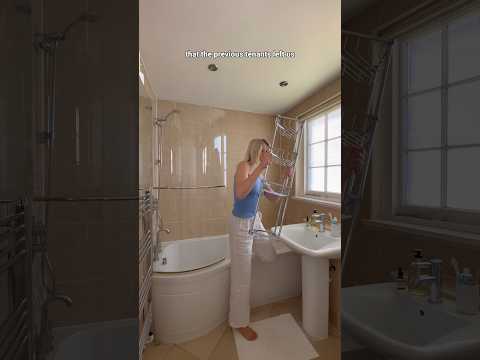
- Steam humidifiers: Convert water to steam and distribute it through ductwork; exact control is feasible. Evaporative humidifiers: Use a wick or membrane to add moisture passively into airflow. Ultrasonic humidifiers: Utilize vibrations to create a nice mist; energy-efficient and quiet.
Humidification benefits occupants with respiratory issues, reduces static electrical energy, and prevents untimely growing older of picket furnishings. Excess humidification, nevertheless, have to be avoided to forestall mould and condensation.
Integration with HVAC and Building Automation Systems (BAS)
The best humidity control solutions come from sensible integration. Modern BAS utilize duct-mounted humidity sensors, variable velocity fans, and modulating humidifiers/dehumidifiers to maintain stable pairings of temperature and RH mechanically, decreasing power waste and enhancing consolation.
Such automation also helps data logging and predictive upkeep, ensuring long-term operational efficiency and adherence to constructing requirements, corresponding to International Residential Code (IRC) and ASHRAE 62.1 air flow requirements.
With active methods capable of exact moisture management, attention now turns to addressing specific spaces vulnerable to distinctive challenges: basements, crawlspaces, and renovation zones.
Targeted Humidity Control Solutions for Critical Spaces
Certain building areas face greater risks of humidity-related points because of their location, use, or development sort. Employing specialised techniques ensures moisture problems are prevented or mitigated successfully.
Basements and Crawlspaces: Moisture Barriers and Dehumidification
Below-grade areas are susceptible to ground moisture infiltration and poor air flow. Effective control strategies embrace:
- Exterior waterproofing membranes and correct site drainage to minimize water intrusion. Crawlspace encapsulation with vapor retarders on floors and partitions, mixed with air flow or conditioned air to maintain RH below 60%. Dedicated dehumidifiers: Sized for enclosed spaces to stop mould and preserve structural framing and stored contents.
Proper moisture management right here reduces risks of structural decay, mould remediation expenses, and ugly odors, in the end preserving residence resale value.
Kitchens and Bathrooms: Exhaust Ventilation and Localized Controls
These high moisture-generating rooms require centered options to counter peak humidity.
- Continuous exhaust fans ducted to the exterior rapidly take away moist air during and after utilization. Humidity-sensing controls mechanically operate followers based on detected moisture ranges, improving compliance and effectivity. Use of moisture-resistant materials like cement board backer panels and mold-inhibiting paints safeguard the space.
Failure to regulate moisture in wet rooms results in premature finish deterioration, mildew growth, and well being hazards, growing long-term maintenance and renovation prices.
Attics and Roof Assemblies: Ventilation and Insulation Practices
Attics often entice rising moisture from inside sources, inflicting condensation on cold roof sheathing and insulation degradation.
- Continuous ridge and soffit vents facilitate airflow, eradicating humid air from attics. Air sealing prevents moist interior air from infiltrating attic areas. Appropriate insulation: prevents cold spots that promote condensation and ice damming on roofs.
Correct attic humidity management preserves roof lifespan, prevents mould growth, and reduces energy costs by guaranteeing insulation performance.
Overall, the choice and implementation of humidity control options range per constructing zone and performance. The focus now shifts to upkeep and monitoring, that are essential to maintain system performance and avoid long-term points.
Maintenance, Monitoring, and Best Practices for Effective Humidity Control
Implementing humidity management solutions is only a half of the lifecycle; ongoing care ensures reliability, efficiency, and safety. Maintenance additionally prevents system-related failures that might exacerbate moisture problems.
Regular Inspection and Maintenance of Mechanical Equipment
Dehumidifiers, humidifiers, and air flow fans require routine cleansing, filter substitute, and operational checks to maintain optimum efficiency. Clogged coils, soiled filters, or malfunctioning sensors scale back efficiency, rising power expenditures and risking uncontrolled humidity.
Use of Digital Humidity Sensors and Data Logging
Installing calibrated digital RH sensors in multiple building zones allows remote monitoring and early detection of abnormal moisture ranges. Data logging helps trend evaluation, helping identify the root causes of humidity fluctuations—whether as a result of occupant behavior, weather modifications, or tools malfunctions.
Best Practices for Occupants and Facility Managers
Educating occupants on moisture-generating actions such as drying garments indoors, enough use of exhaust fans, and sealing leaks promotes cooperation in sustaining humidity targets. Facility managers profit from establishing standard operating procedures for regular checks and instant corrective actions.
These upkeep frameworks maximize return on investment, decrease repair costs, and lengthen system lifespan.
Avoiding Common Pitfalls and Compliance with Building Codes and Standards
Incorrect or incomplete humidity control measures often trigger more hurt than good. Awareness of regulatory frameworks and common errors ensures that moisture options present sturdy and safe outcomes.
Key Building Codes Guiding Humidity Control
Standards such because the International Building Code (IBC), International Residential Code (IRC), and ASHRAE standards outline requirements for ventilation charges, vapor retarders, and moisture management methods to protect public well being and building sturdiness. Adherence to these codes throughout design and construction safeguards towards legal responsibility and costly code violations.
Mistakes in Installation and Design
- Oversizing or undersizing mechanical equipment results in inefficiencies and discomfort. Improper placement of vapor limitations can lure moisture in wall cavities. Neglecting air sealing allows uncontrolled humid air infiltration. Ignoring local climate considerations leads to insufficient answer performance.
A well-informed design process involving constructing science professionals avoids these errors, guaranteeing each power and moisture control objectives are met.
Health and Safety Considerations
Humidity control directly impacts indoor air high quality. Excessive moisture creates a vector for allergens, mold spores, and harmful micro organism, while overly dry situations can irritate occupants’ mucous membranes. Maintaining balanced RH helps occupant health, reduces absenteeism in workplaces, and improves high quality of life at residence.
With a stable grasp of efficient and compliant humidity management solutions, readers can now perceive the holistic method that integrates design, expertise, upkeep, and code adherence to create safe, comfortable, and sturdy indoor environments.
Summary and Actionable Next Steps for Implementing Humidity Control Solutions
Effective administration of indoor humidity protects buildings from structural injury, enhances occupant comfort, improves indoor air quality, and reduces long-term prices. Understanding optimal humidity ranges and the physical habits of moisture empowers householders and professionals to decide out acceptable options. Passive measures such as cautious constructing envelope design, vapor barrier application, and pure ventilation establish the groundwork, while lively mechanical methods like dehumidifiers and humidifiers supply precise control.
Addressing high-risk areas similar to basements and bathrooms with focused approaches prevents common moisture problems. Continuous maintenance, coupled with digital monitoring, ensures sustained system efficacy and speedy response to points. Finally, adherence to building codes and avoidance of design errors guarantee each safety compliance and investment safety.
Practical subsequent steps include:
- Conducting a thorough moisture assessment of your property to determine hotspots and problem areas. Reviewing present ventilation and insulation systems to determine passive control effectiveness. Consulting HVAC and constructing science professionals to design integrated energetic humidity control techniques tailored to your local weather and occupancy wants. Installing sensor-based monitoring gadgets to maintain up real-time management and facilitate proactive maintenance. Implementing occupant teaching programs centered on moisture-generating behaviors and tools use. Ensuring all interventions adjust to native constructing codes and requirements to keep away from pricey retrofits or penalties.
By following these comprehensive guidelines and finest practices, anybody answerable for constructing management or residential care can confidently obtain sustainable indoor humidity control that preserves property value, boosts vitality effectivity, and enhances general living high quality.